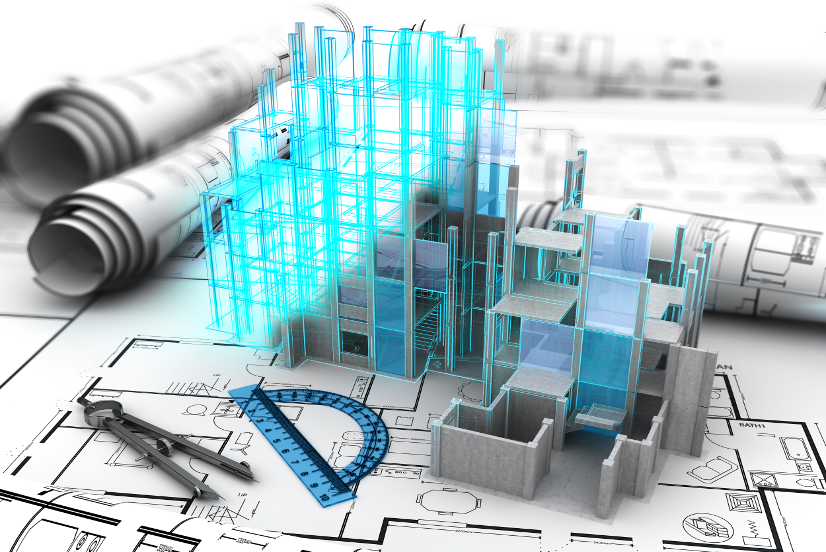
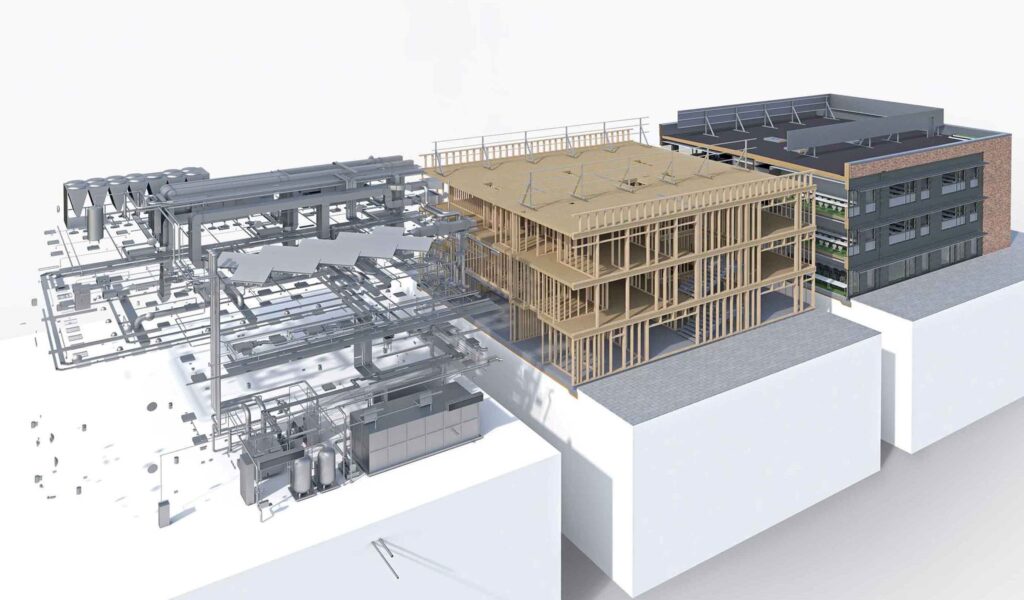
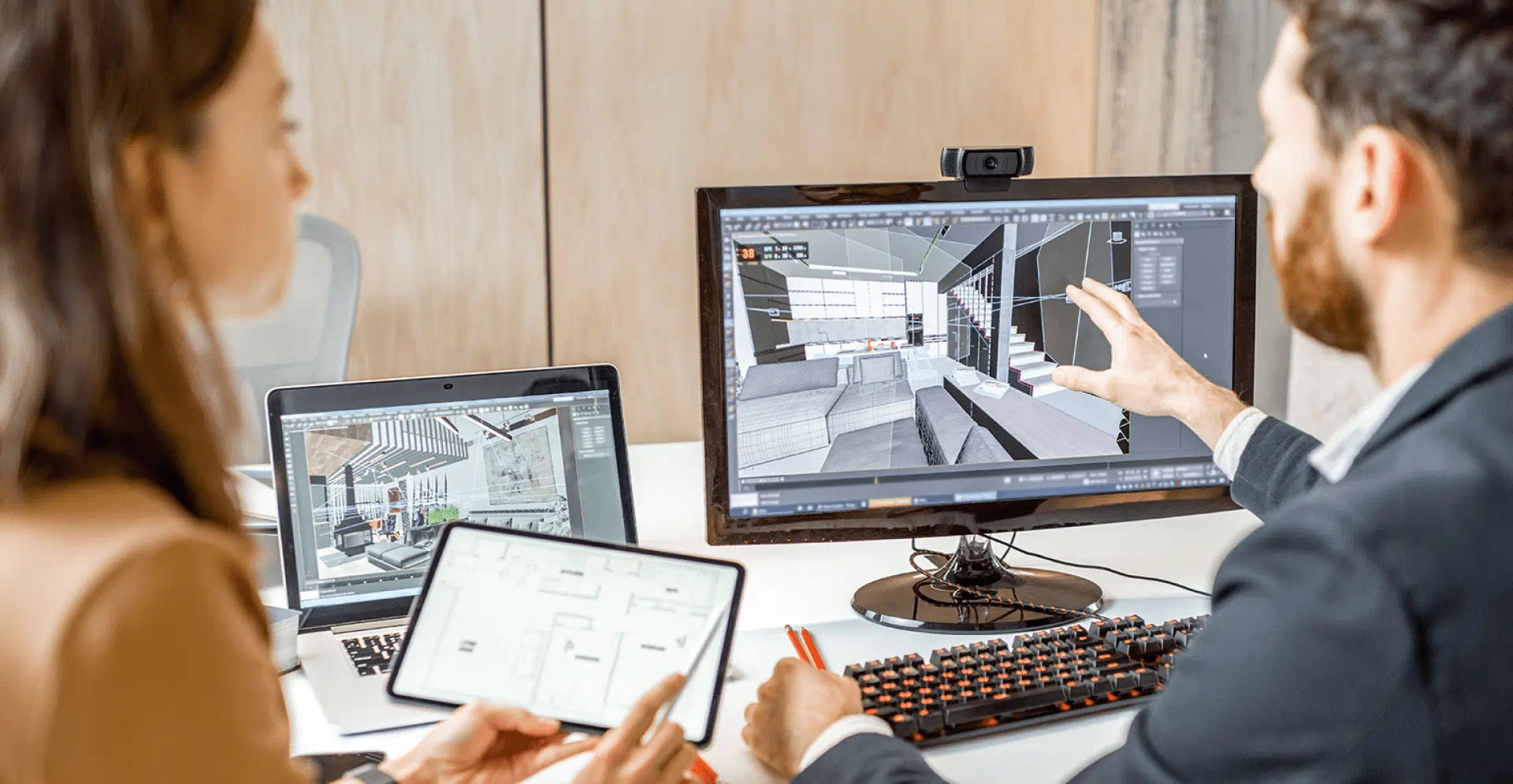
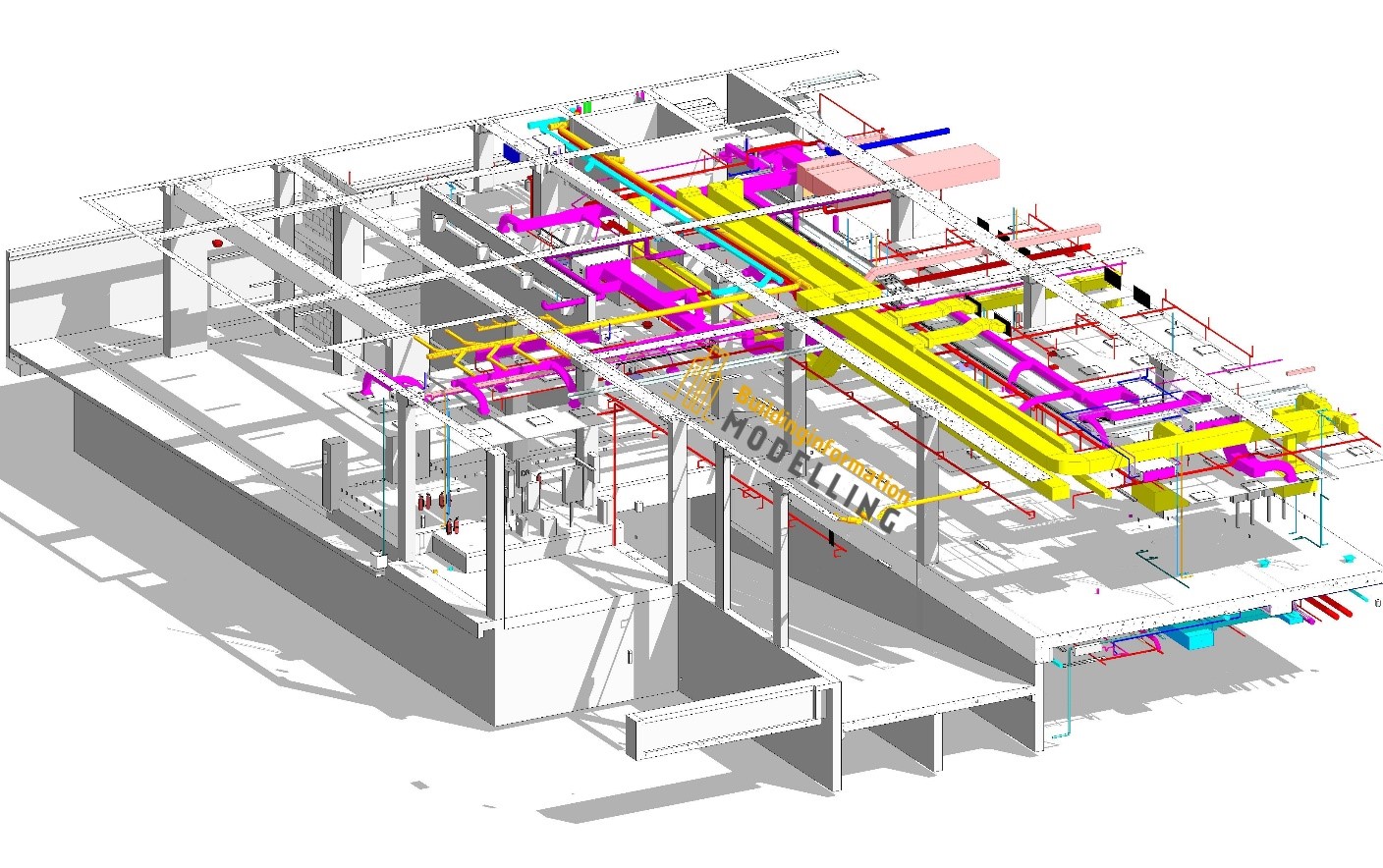
With BIM, we transform projects into a digital environment that improves visualization, collaboration, and accuracy. This approach reduces risks, saves costs, and ensures smoother project delivery.
BIM (Building Information Modelling) Concept Modelling represents the initial stage of developing a project’s digital model. At this stage, the basic structure and elements are conceptualized to create a visual and data-rich representation of the design. It provides stakeholders with a clear view of the project’s layout, encourages collaborative decision-making, and allows early design exploration. By laying this foundation, BIM Concept Modelling sets the stage for detailed design and development in later phases of construction.
BIM Tender Modelling focuses on developing detailed and structured digital models specifically for the tendering stage of a project. These models include critical information such as quantities, specifications, and visual representations, enabling contractors and stakeholders to accurately evaluate project scope, requirements, and costs. By providing clear and comprehensive data, BIM Tender Modelling supports precise estimations, enhances project understanding, and ensures a transparent, well-informed bidding process that leads to accurate proposals and competitive bids.
BIM Shop Drawing Modelling delivers highly detailed, construction-ready models that guide the fabrication and installation process. These models capture precise dimensions, materials, and technical details, ensuring accuracy and minimizing errors during execution. By translating design intent into practical, buildable information, this phase enables contractors and site teams to achieve smoother workflows, improved coordination, and reduced rework on-site.
BIM As-Built Modelling involves updating the digital model to reflect the project exactly as constructed. It serves as a reliable record of the completed building, incorporating all design changes and site modifications. This accurate model becomes a valuable asset for facility management, maintenance, and future renovations, supporting long-term operational efficiency and lifecycle management.
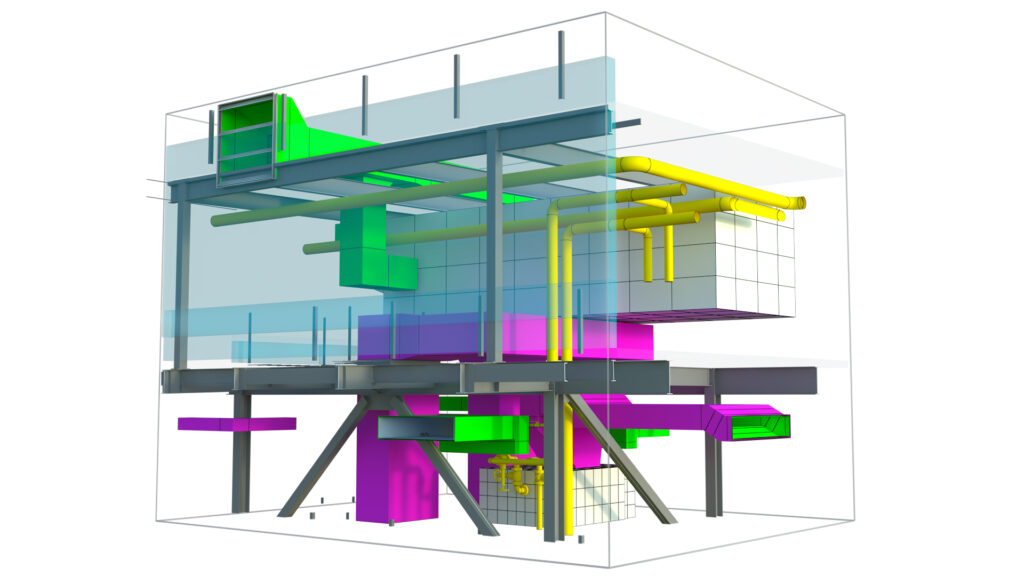
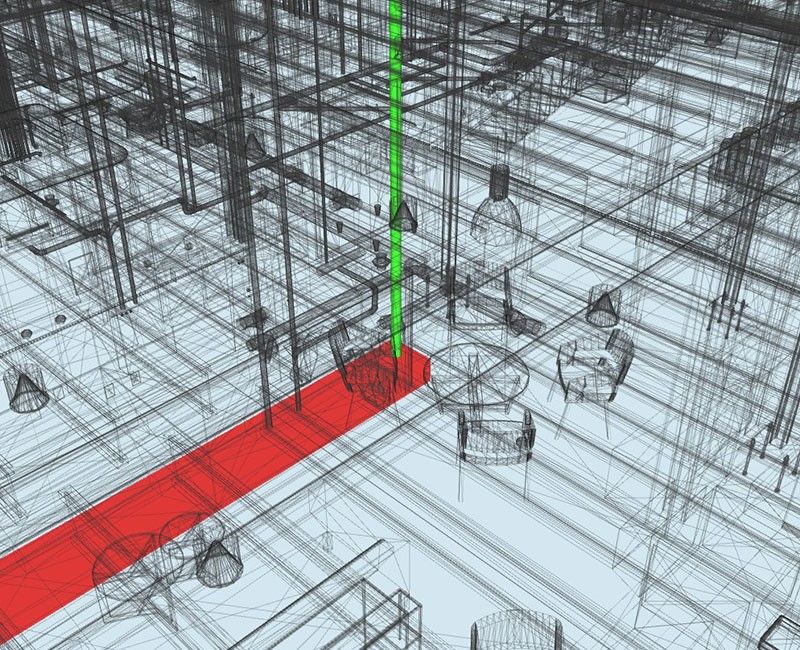
Clash Detection & Coordination uses BIM to identify and resolve conflicts between architectural, structural, and MEP/ELV systems before construction begins. By addressing issues virtually, this process prevents costly on-site errors, delays, and rework. It enhances collaboration among all stakeholders, ensures better alignment of building systems, and leads to a more efficient and seamless construction process.